
Okay, so check this out—most mornings I open my exchange dashboards and something jumps out at me. Whoa, weird login hiccup. My first impression is always a gut check: did I mess up my password or is the exchange nudging me toward security upgrades? Initially I thought a login error was trivial, but then I realized that small check-ins often reveal bigger UX or compliance problems (and yeah, sometimes they reveal phishing attempts too). This piece is me thinking out loud, practical and a little impatient, with tips that actually help traders sign in, finish OKX verification, and approach futures smarter.
Short wins first: if you just need to okx sign in then go to the official entry point and use 2FA. Seriously—don’t click random links you saw in Telegram. My instinct said that many people skim the URL and assume it’s fine; wrong move, and I’ve seen accounts drained because of that. On the technical side, enable hardware 2FA (YubiKey or similar) if you can, and save your backup codes somewhere offline and fireproof (metaphorically). Also, OKX sometimes emails a one-time verification code; treat that like a bank PIN—private.
Let’s break the process down. First: signing in. Second: verification steps—KYC, ID upload, selfie checks, and sometimes address proof. Third: futures setup and the risk management checklist you should have before opening a leveraged position. Hmm… the sign-in flow is simple in concept and messy in practice when your browser has wallet extensions or cached sessions. On one hand the UX aims for convenience; on the other hand, layers of security often trigger false positives, though actually those false positives are better than account theft.
Sign-in practicalities: clear cache if sessions act odd, disable suspicious extensions, and use a password manager to generate a long, unique password. Wow, that helps a lot. If you use social logins (Google, Apple) be cautious—convenient, yes, but those accounts become single points of failure unless protected by strong 2FA. Also, mobile app sign-in sometimes behaves differently than web sign-in, so if something fails on desktop, try the mobile app as a troubleshooting step. Oh, and try a different network if you keep getting “suspicious activity” flags; public Wi‑Fi sometimes trips aggressive security rules.
Verification is a hurdle but it’s standard. Initially I thought KYC was pure red tape, but then I realized it’s a mix of regulatory compliance and fraud prevention that actually protects naive users sometimes. OKX’s verification typically asks for ID, selfie liveness check, and occasionally proof of address. My experience (and from talking to colleagues) says photos must be high-quality and unedited; filters and heavy compression are common reasons for rejection. If your upload fails repeatedly, change browsers or use the mobile app camera directly—browser file uploads can mess with metadata.
Common verification hang-ups—and fixes. Short answer: match names exactly, avoid nicknames, and make sure IDs aren’t expired. Really, it’s that simple. If the verification system says your selfie doesn’t match your ID, try again with better lighting and no eyeglass reflections. On one hand automated reviews are quick; on the other hand manual reviews can be slow, especially during spikes in signups. If you’re waiting more than 48 hours, open a support ticket and include clear screenshots and timestamps—support teams are swamped but they do respond when the request is tidy and complete.
Now, about futures—this is the part that gets traders both excited and nervous. Futures are leverage wrapped in risk; that sentence is a tautology, but it’s also true. Before you click “open position,” check your margin mode (isolated vs cross), maximum leverage available, and maintenance margin thresholds. My bias is toward lower leverage if you’re not trading sub-second strategies; I prefer 3–10x depending on asset volatility, though some pros swing 20x or more. Remember, higher leverage amplifies both gains and losses, and liquidation fees or insurance fund impacts can be brutal in flash crashes.
Funding for futures is another thing to watch. Funding rates flip between positive and negative depending on market bias and market maker activity. Hmm, funding is a small recurring cost but over time it can erode returns if you hold persistent directional exposure. Use the platform’s funding rate history to estimate carry costs; sometimes short-term arbitrage or hedging strategies make funding an income stream, but that’s not beginner territory. Also, understand order types available—limit, market, stop-market, take-profit limit—because misusing market orders in thin markets will bite you.
Risk controls you should enable right now: set stop losses, reduce position size, and consider using take-profit levels. Whoa, sounds basic, but many traders skip them. I learned the hard way that discipline matters more than hot strategy. On a related note, test your mental reactions on small positions first; trading psychology is the silent killer of accounts. Also, if OKX requires trading verification or exam-style questionnaire to enable futures in your jurisdiction, take it seriously—those measures are there to ensure you understand leverage and margin calls.
Security and account hygiene—ongoing tasks, not one-off chores. Use unique passwords, hardware 2FA where possible, and monitor login history for unknown devices. Wow, yes—monitor that closely. If you receive unexpected password reset emails, treat them as emergencies and log into your account from a known device to review activity. Speaking of devices, avoid doing high-risk trades from shared or public computers; mobile devices on cellular networks are a safer bet than public Wi‑Fi hotspots (but still not perfect). Also, consider a read-only API key if you use third-party portfolio trackers, and never share trading or withdrawal keys.
Support and dispute tips. If you need to escalate verification or a suspected security incident, compile a clear timeline: when you tried to sign in, what error messages appeared, which IP or device was listed in activity logs (if visible). Short messages are fine, but add attachments—screenshots, timestamps, and file names—so support can process your ticket faster. Be patient; teams are often dealing with waves of inquiries after market moves. And be very very careful about social-engineering scams—support reps will never ask for your full password or 2FA codes.
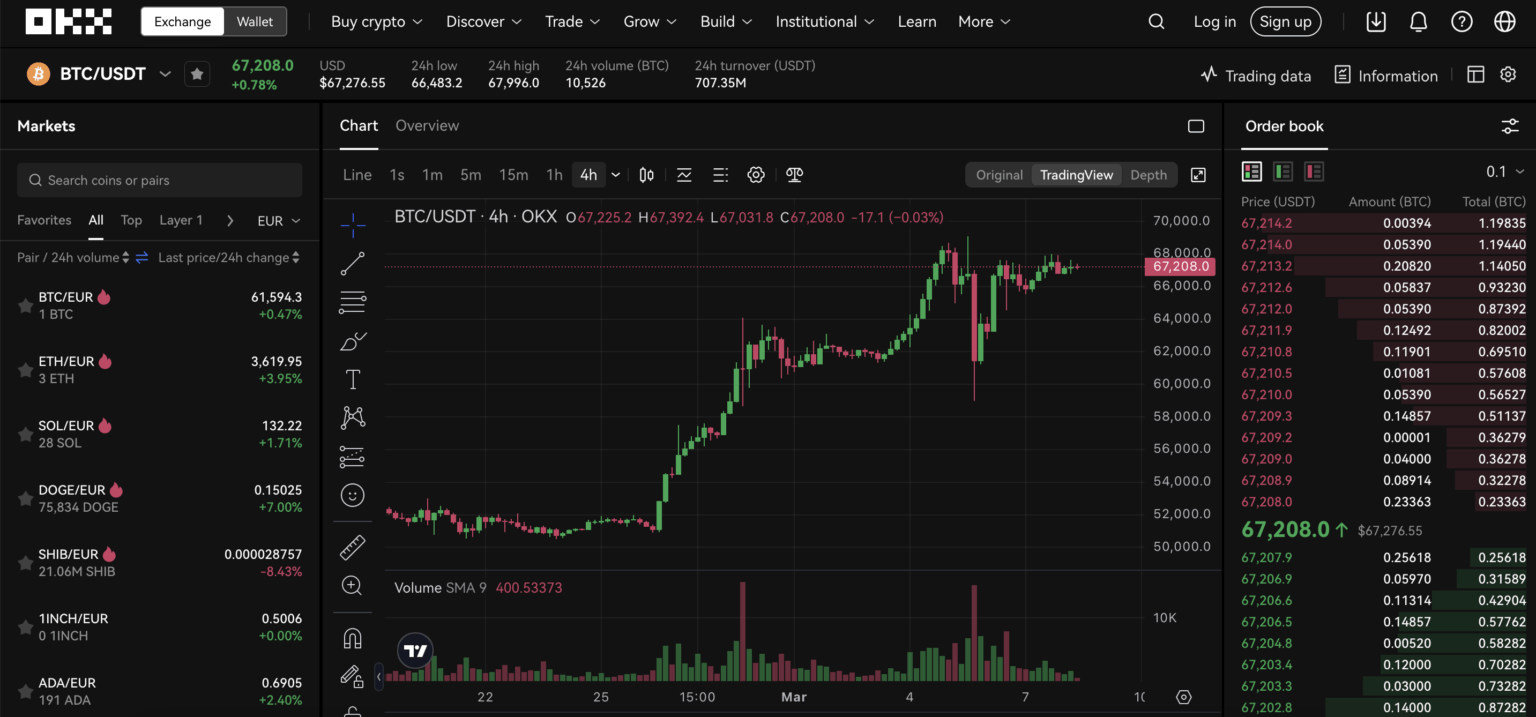
Quick checklist before you trade futures
Do these five things: confirm KYC is complete, verify 2FA is active, fund an isolated wallet for margin, practice with a small position, and set stop-loss/take-profit rules. I’m biased toward conservative sizing. Initially I favored size and speed, but experience taught me to prioritize survivability. On one hand growth feels good; on the other hand compounding small losses quickly slows progress, and actually consistent small wins beat occasional big gambles.
Frequently asked questions
Why is my OKX verification taking so long?
Peak demand and manual reviews extend time. Also, if your ID photo is blurry or the selfie fails the liveness check, they’ll reject it and ask for resubmission. Try again with high-quality images, remove filters, and check that your browser or app shows the upload completed. If it’s been over 48 hours, open a polite support ticket with screenshots and timestamps.
Can I trade futures without KYC?
Mostly no; advanced products like leveraged futures usually require higher verification tiers due to regulatory and risk reasons. Some regions restrict features further. If futures are essential to your strategy, complete the required verification ahead of time to avoid delays when markets move fast.
What’s the safest way to secure my OKX account?
Use a unique password from a password manager, enable hardware 2FA, store backup codes offline, and monitor login history. Don’t reuse email passwords across critical services, and be skeptical of unsolicited messages asking you to sign in. I’m not 100% sure there’s a perfect setup, but layered security reduces most practical risks.